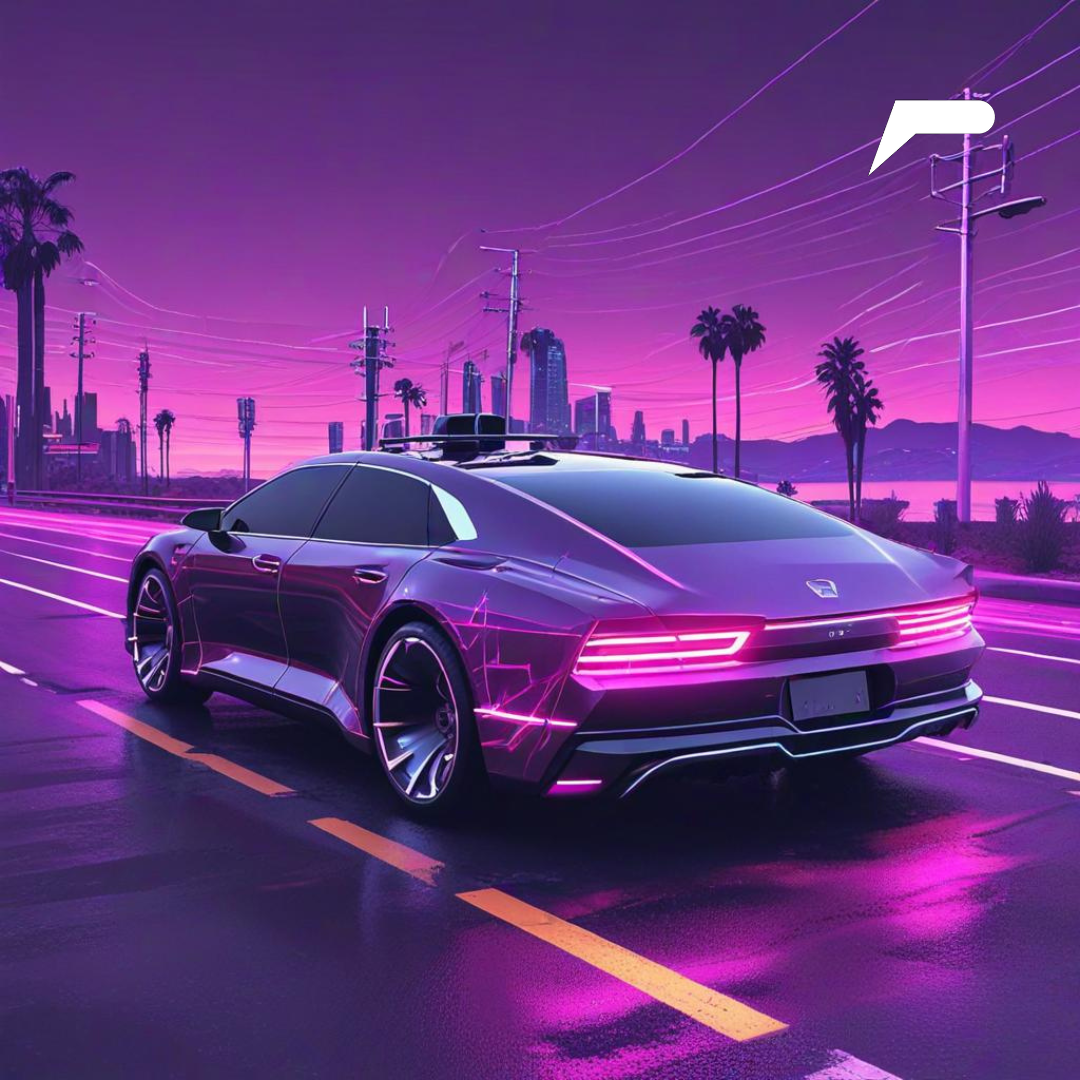
AI has made significant strides in enabling autonomous vehicles. Advanced sensors paint a detailed picture of the surroundings, while AI algorithms interpret this data, navigate traffic, and make real-time decisions. However, the road to self-driving dominance is fraught with challenges.
Navigating the Unexpected: Unforeseen weather conditions, like heavy rain or snow, can disrupt sensor perception and confuse AI algorithms. Similarly, complex urban environments with unpredictable pedestrians and chaotic traffic further complicate the decision-making process for these AI chauffeurs.
The Ethical Crossroads: Beyond technical hurdles lie profound ethical dilemmas. In unavoidable accidents, who takes the blame? The manufacturer, the programmer, or is the car itself culpable? Robust regulations are urgently needed to address safety, liability, and ethical considerations in the development, testing, and deployment of self-driving cars.
The Road Ahead: Despite the challenges, the potential benefits remain undeniable. Reduced traffic congestion, improved accessibility for those with mobility limitations, and a potential decrease in road fatalities are compelling reasons to persevere.
The key lies in a multi-pronged approach. Continued advancements in AI algorithms and sensor technology are crucial. Rigorous testing procedures in diverse environments are essential to ensure real-world readiness. Furthermore, clear and comprehensive regulations that prioritize safety, liability, and ethical considerations are needed to pave the way for a responsible transition.
The future of self-driving cars is not a question of "if" but "when." By acknowledging the challenges and working towards solutions, we can ensure AI remains at the wheel, steering us towards a safer, smoother, and more accessible transportation landscape. The self-driving revolution may have taken a detour, but with continued innovation and responsible development, it has the potential to transform the way we travel.


