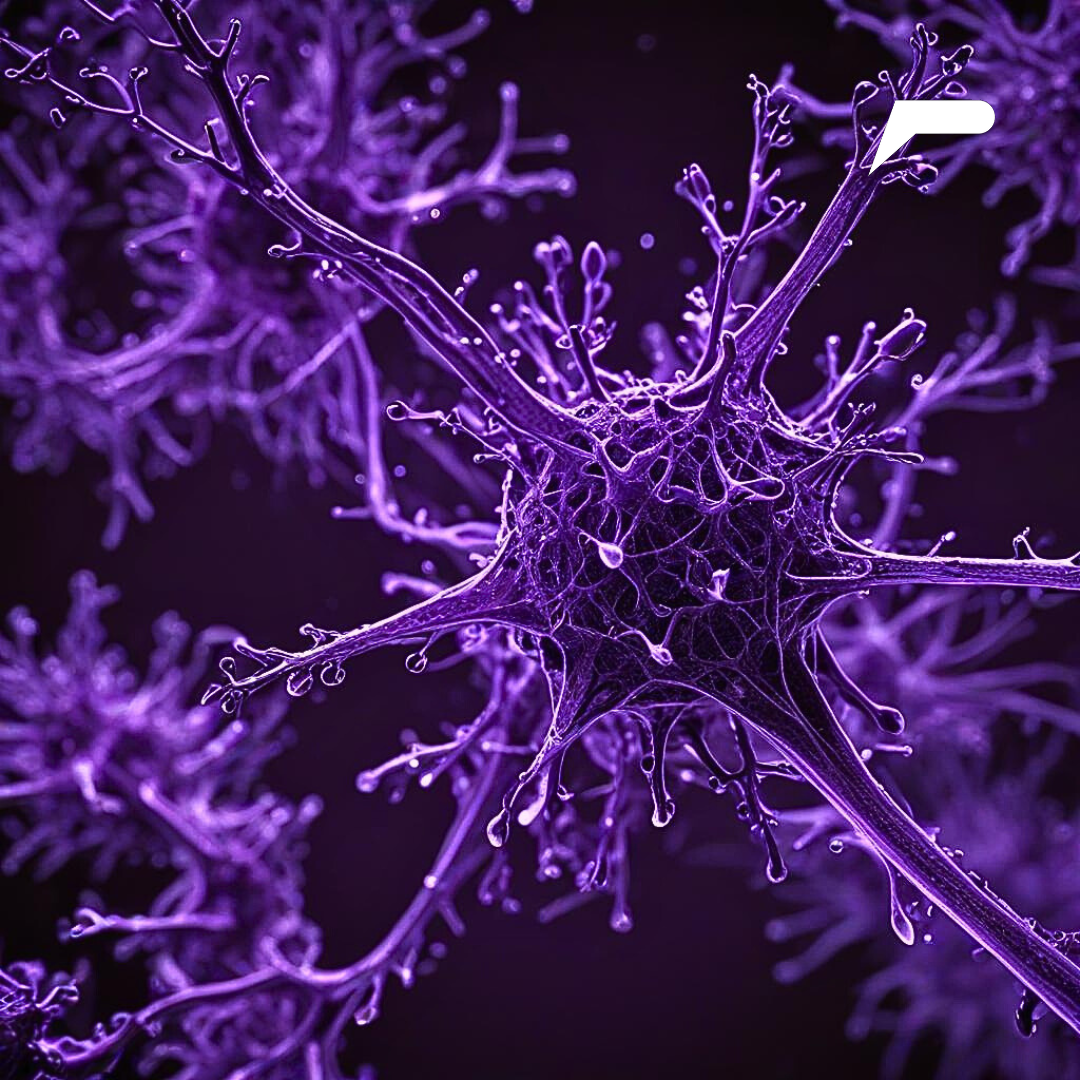
Here's a glimpse into some of these groundbreaking advancements:
- Precision Medicine: AI analyzes vast genetic datasets, enabling the development of personalized treatment plans based on an individual's unique genetic makeup.
- Drug Discovery: AI-powered simulations can virtually screen millions of potential drug candidates, accelerating the discovery of new treatments for diseases like cancer.
- Protein Engineering: AI algorithms can predict protein structures and functions, allowing scientists to design custom proteins with specific functionalities for medical or industrial applications.
- Gene Editing Revolution: AI assists in designing precise gene editing tools like CRISPR, enabling researchers to correct genetic defects and potentially cure diseases.
- Enhanced Agriculture: AI analyzes agricultural data to optimize crop yields, predict weather patterns, and identify plant diseases, leading to more sustainable and efficient farming practices.
- Biomaterial Design: AI can predict the properties of new biomaterials, accelerating the development of innovative materials for medical implants and tissue engineering.
- Personalized Nutrition: AI analyzes individual health data to recommend personalized diets for optimal health and disease prevention.
- Conservation Efforts: AI can analyze vast environmental data sets to predict changes in ecosystems and identify endangered species, aiding in conservation efforts.
These are just a few examples of how AI is revolutionizing digital biology. As this field continues to evolve, we can expect even more groundbreaking applications that will reshape our understanding and manipulation of the living world.


