Real-time Data Analysis
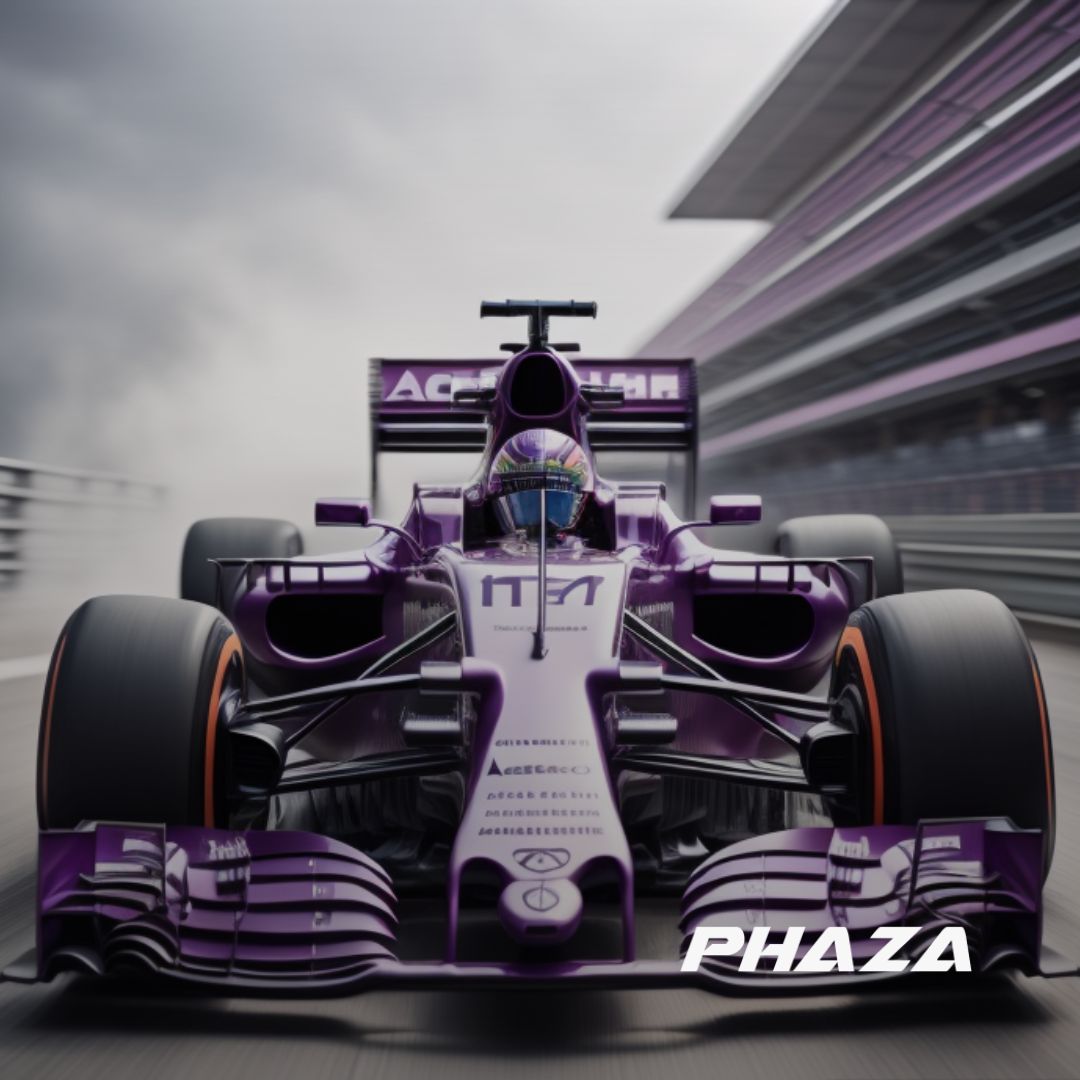
One of the key areas where AI has made a significant impact is in real-time data analysis. Formula One cars are equipped with numerous sensors that capture a vast amount of data during races – from engine temperature to tire pressure. AI algorithms process this data in real-time, providing teams with crucial insights into the car's performance. This enables engineers to make immediate adjustments, enhancing the car's efficiency and ensuring optimal performance throughout the race.
Predictive Pit Stops
Gone are the days when pit stops were solely based on fixed schedules. AI has brought a dynamic element to pit strategies by analyzing a myriad of factors in real-time. Predictive algorithms consider variables such as tire wear, fuel levels, and race dynamics to calculate the optimal time for a pit stop. This not only minimizes time off the track but also maximizes the chances of gaining a competitive edge.
Strategic Race Planning
AI is not just about analyzing data during the race; it plays a pivotal role in strategic race planning. Machine learning algorithms process historical race data, driver performance metrics, and track characteristics to formulate winning strategies. These algorithms continuously adapt and evolve, learning from each race and providing teams with insights that can influence decisions like when to push for overtaking or when to conserve fuel.
Personalized Fan Experiences
Beyond the confines of the racetrack, AI is enhancing the fan experience. With the help of machine learning, platforms can analyze individual preferences, viewing habits, and social media interactions to curate personalized content for fans. This personalized approach extends to virtual reality experiences, allowing fans to immerse themselves in the world of F1 like never before.
The Future is AI-Powered
As Formula One continues to embrace AI technology, the future of the sport looks increasingly AI-powered. Teams are investing heavily in developing and refining AI algorithms, gaining a competitive edge both on and off the track. The synergy between human expertise and artificial intelligence is reshaping the traditional roles within F1 teams, with AI acting as a trusted pit crew member, providing invaluable insights for strategic decision-making.
In the coming years, we can expect AI to delve even deeper into the realms of F1, pushing the boundaries of what is possible. From further refining race strategies to enhancing driver performance analysis, the partnership between AI and Formula One is set to redefine the sport's limits. As we stay tuned for the next races, one thing is certain – the roar of the engines is now accompanied by the hum of artificial intelligence, orchestrating a symphony of speed, strategy, and success in the high-stakes world of Formula One.


